Friday, 2 November 2012

Monday, 29 October 2012
What is the history of AIDS?
 |
| What is the history of AIDS? |
What is the history of AIDS?
Careful investigation has helped scientists determine where AIDS came from. Studies have shown that the human immunodeficiency virus first arose in Africa. It spread from primates to people early in the twentieth century, possibly when humans came into contact with infected blood during a chimpanzee hunt. By testing stored blood samples, scientists have found evidence of human infection as long ago as 1959.
Once introduced into humans, HIV was spread through sexual intercourse from person to person. As infected people moved around, the virus spread from Africa to other areas of the world. In 1981, U.S. physicians noticed that a large number of young men were dying of unusual infections and cancers. Initially, U.S. victims were predominately homosexual men, probably because the virus inadvertently entered this population first in this country and because the virus is transmitted easily during anal intercourse. However, it is important to note that the virus also is efficiently transmitted through heterosexual activity and contact with infected blood or secretions. In Africa, which remains the center of the AIDS pandemic, most cases are heterosexually transmitted. Twenty years ago, the news that Magic Johnson had acquired HIV heterosexually helped the country realize that the infection was not limited to men who had sex with men. Currently in the U.S., approximately 27% of new HIV infections are a result of heterosexual transmission.
In the years since the virus was first identified, HIV has spread to every corner of the globe and is one of the leading causes of infectious death worldwide. Statistics from the World Health Organization show that approximately 2 million people die each year from AIDS, and 250,000 of these are children. Worldwide, half of HIV-infected people are women. Two-thirds of current cases are in sub-Saharan Africa.
In the U.S., more than 1 million people are currently infected with HIV, and approximately 35,000 are newly diagnosed with AIDS each year. Over the years, more than 600,000 people in the U.S. have died from AIDS, many of them during what should have been their most productive years of life.
smoking-alcohol-and-drugs
 |
| smoking-alcohol-and-drugs |
Smoking, alcohol and drugs
Here we discuss the way you involve these three drugs in your life. Smoking is a sure way to get lung cancer and other diseases and is hopelessly addictive without the right support if you want to quit. Alcohol is a freely available drug and can cause many problems for those who drink too much. We look at how these drugs interact with your system and why they can affect your life. We also speak to medical experts on ways look at how big a part these particular drugs play in your everyday life. Support is on hand from our charity and support group listings and information from fellow sufferer on our discussion forums.
 | Alcohol and drugs
Here you can find more on their effects, plus details on where to get help for addiction.
|

Hepatitis B History
 |
| Hepatitis B History |
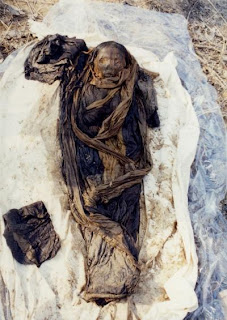
16th -Century Korean Mummy Provides Clue to Hepatitis B Virus Genetic Code
ScienceDaily (May 29, 2012) — The discovery of a mummified Korean child with relatively preserved organs enabled an Israeli-South Korean scientific team to conduct a genetic analysis on a liver biopsy which revealed a unique hepatitis B virus (HBV) genotype C2 sequence common in Southeast Asia.
The reconstruction of the ancient hepatitis B virus genetic code is the oldest full viral genome described in the scientific literature to date. It was reported in the May 21 edition of the scientific journal Hepathology by a research team from the Hebrew University of Jerusalem's Koret School of Veterinary Medicine, the Robert H. Smith Faculty of Agriculture, Food and Environment; the Hebrew University's Faculty of Medicine, the Hadassah Medical Center's Liver Unit; Dankook University and Seoul National University in South Korea.Additional analysis of the ancient HBV genomes may be used as a model to study the evolution of chronic hepatitis B and help understand the spread of the virus, possibly from Africa to East-Asia. It also may shed further light on the migratory pathway of hepatitis B in the Far East from China and Japan to Korea as well as to other regionsin Asia and Australia where it is a major cause of cirrhosis and liver cancer.
Carbon 14 tests of the clothing of the mummy suggests that the boy lived around the 16th century during the Korean Joseon Dynasty. The viral DNA sequences recovered from the liver biopsy enabled the scientists to map the entire ancient hepatitis B viral genome.
Using modern-day molecular genetic techniques, the researchers compared the ancient DNA sequences with contemporary viral genomes disclosing distinct differences. The changes in the genetic code are believed to result from spontaneous mutations and possibly environmental pressures during the virus evolutionary process. Based on the observed mutations rates over time, the analysis suggests that the reconstructed mummy's hepatitis B virus DNA had its origin between 3,000 to 100,000 years ago.
The hepatitis B virus is transmitted through the contact with infected body fluids , i.e. from carrier mothers to their babies, through sexual contact and intravenous drug abuse. According to the World Health Organization, there are over 400 million carriers of the virus worldwide, predominantly in Africa, China and South Korea, where up to 15 percent of the population are cariers of the virus. In recent years, universal immunization of newborns against hepatitis B in Israel and in South Korea has lead to a massive decline in the incidence of infection.
The findings are the result of a collaborative effort between Dr. Gila Kahila Bar-Gal of the Hebrew University of Jerusalem's Koret School of Veterinary Medicine; Prof. Daniel Shouval of the Hadassah Medical Center's Liver Unit and Hebrew University; Dr. Myeung Ju Kim of Dankook University, Seok Ju Seon Memorial Museum; Dr. Dong Hoon Shin of Seoul National University, College of Medicine ; Prof Mark Spigelman of the Hebrew University's Dept. of Parasitology and Dr. Paul R. Grant of University College of London,Dept. of Virology.
Ebola Virus Symptoms

For people infected with the Ebola virus, symptoms may include fever, vomiting, dry cough, and stomach pain. Symptoms of infection with the Ebola virus typically begin four to six days after infection. Other Ebola virus symptoms may include a rash, hiccups, red eyes, and internal and external bleeding.
EBOLA VIRUS SYMPTOMS: AN INTRODUCTION
After a person becomes infected with the Ebola virus, it begins to multiply within the body. On average, Ebola virus symptoms begin four to six days after infection. The period between infection and the start of symptoms is called the incubation period for the virus. The Ebola incubation period can be as short as 2 days or as long as 21 days.
Ebola virus symptoms usually begin abruptly. Common symptoms can include:
- Sore throat
- Fever
- Dry, hacking cough
- Weakness
- Severe headache
- Joint and muscle aches
- Diarrhea
- Dehydration
- Stomach pain
- Vomiting.
- A rash, hiccups, red eyes, and internal and external bleeding may be seen in some patients. On dark skin, the rash is often not recognized until it begins to peel.In pregnant women, common Ebola virus symptoms can include heavy vaginal bleeding and abortion (miscarriage).Death usually occurs during the second week of symptoms. Ebola victims typically die from massive blood loss.
Subscribe to:
Posts (Atom)


